


Gardening in Northern Michigan: Tips for Short Growing Seasons + The Happy Camper Garden Experience
Gardening in Northern Michigan is equal parts planning and patience. Between cool springs, surprise frosts, and a shorter growing season, success comes down to soil preparation, plant selection, timing, and smart garden layouts.
At the Happy Camper, one of Sandy’s Up-North Sanctuaries, we’re building a garden that’s not only productive—but also part of the guest experience. Whether you're a seasoned gardener or just love fresh herbs and vegetables, you’ll find inspiration (and maybe a few snacks!) during your stay.
1)Soil Preparation for Northern Michigan Gardens
The foundation of any successful garden-especially in Northern Michigan-is healthy soil.
Soil here can range from sandy and fast-draining to heavier clay mixes. No matter what you're working with improving your soil will dramatically increase your results.

Key tips:
Identify your soil type: sandy, loamy, or clay-heavy
Add organic matter annually (compost, manure, shredded leaves)
Loosen soil 8–12 inches for new beds
Use mulch (2–3 inches) to retain moisture and reduce weeds
If you’re planting vegetables, consider a soil test so you’re not guessing about nutrients. Many “mystery problems” (slow growth, pale leaves, poor fruiting) trace back to soil pH or missing nutrients.
2) USDA Hardiness Zones in Northern Michigan
Understanding your USDA hardiness zone is essential when choosing plants that will survive Michigan winters.
Northern Michigan typically falls into Zones 4–5, meaning:
Choose plants rated for your zone or colder
Microclimates matter (lakes, elevation, wind exposure)

Pro tip:
Perennials must survive winter → always check zone rating
Vegetables care more about frost dates and soil temperature
There is more information on the USDA website or click the link USDA Hardiness Zone Map.
3) Perennials vs. Annuals: What Grows Best Up North
A balanced Northern Michigan garden includes both:
Perennials (long-term investment)
Peonies
Hostas
Daylilies
Coneflowers
Hardy herbs
Annuals (seasonal color + flexibility)
Petunias
Marigolds
Zinnias
Impatiens
Best strategy:
Build your “base” with perennials
Add annuals each year for color and pollinators
4) When to Plant in Northern Michigan
Timing is everything in a short growing season climate.
Early Spring (cold-tolerant crops)
Lettuce, spinach, peas, radishes, onions
After Last Frost (late spring)
Tomatoes, peppers, cucumbers, beans, squash, basil
Summer Succession Planting
Replant lettuce/radishes every 2–3 weeks
Fall Gardening
Leafy greens thrive again in cooler temps
Golden rule:
When in doubt… wait a week. Frost will win every time.
5) Best Garden Layouts for Northern Michigan
Smart layouts help maximize yield, especially with limited time and space.
Raised Beds
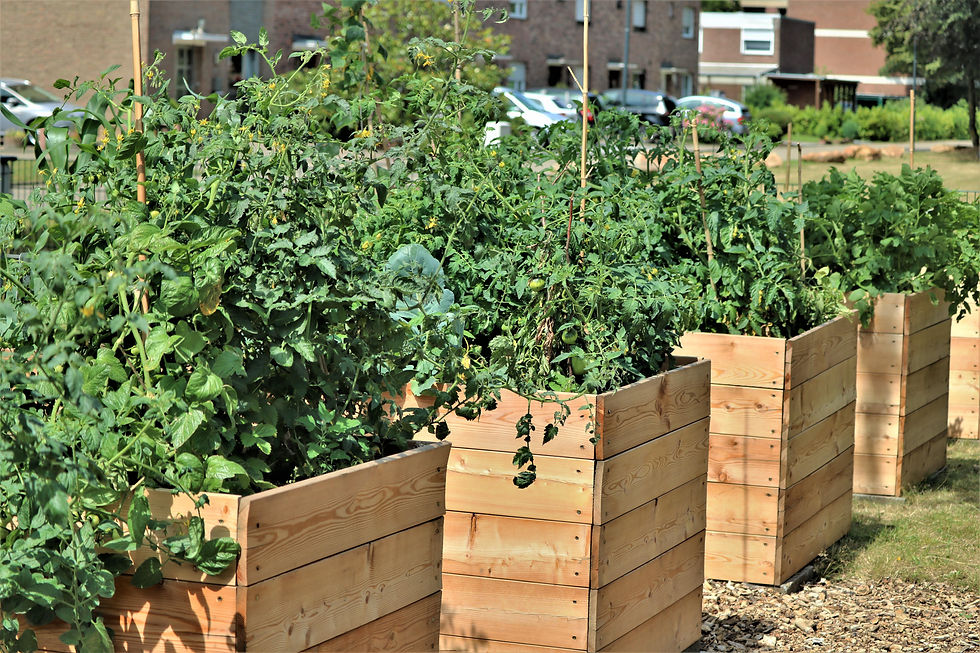
Warm up faster in spring
Better drainage
Easier maintenance
Row gardens

Ideal for larger spaces
Simple watering and harvesting
Square-foot gardening

High yield in small areas
Great for herbs and greens
Pollinator borders
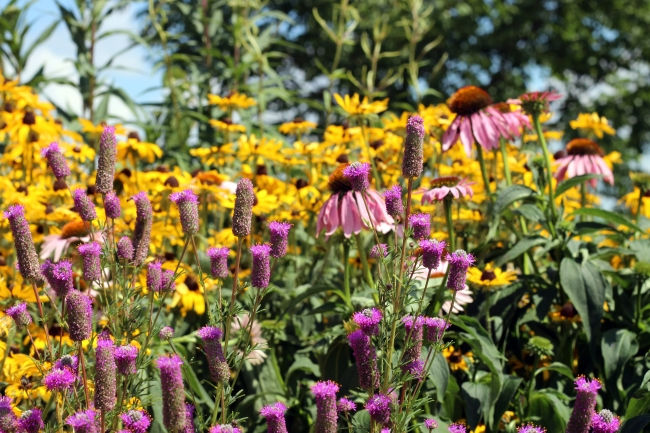
Attracts bees & butterflies
Increase vegetable production
Spiral Herb Garden (Coming Soon at Happy Camper)
One of the most exciting additions at Happy Camper is our spiral herb garden!
This unique design creates multiple growing environments:
Top: warm, dry → perfect for Mediterranean herbs
Bottom: cooler, moist → ideal for leafy herbs


Why guests love it:
Easy to harvest fresh herbs
Visually stunning
Space-saving and functional
7) The “Three Sisters” Companion Planting Method
We’re also featuring the traditional Three Sisters garden method:
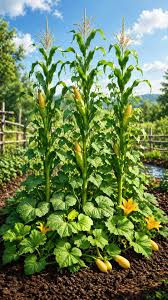
Corn = natural trellis
Beans = add nitrogen to soil
Squash = ground cover + moisture retention
This method creates a self-supporting ecosystem that’s efficient, sustainable, and beautiful.
It’s also a great conversation piece for guests exploring the garden!
There is more information about where this method originated on the USDA website or click the link "The Three Sisters of Indigenous American Agriculture."
Stay, Garden, & Experience Northern Michigan
At Sandy’s Up-North Sanctuaries, gardening isn’t just something we do—it’s part of the experience.

When you stay at the Happy Camper:
Explore a working Northern Michigan garden
Enjoy fresh, seasonal ingredients
Learn practical gardening tips
Relax in a peaceful, nature-filled setting
Whether you're here to unplug, explore, or get inspired, the garden adds a whole new layer to your up-north getaway.


Comments